
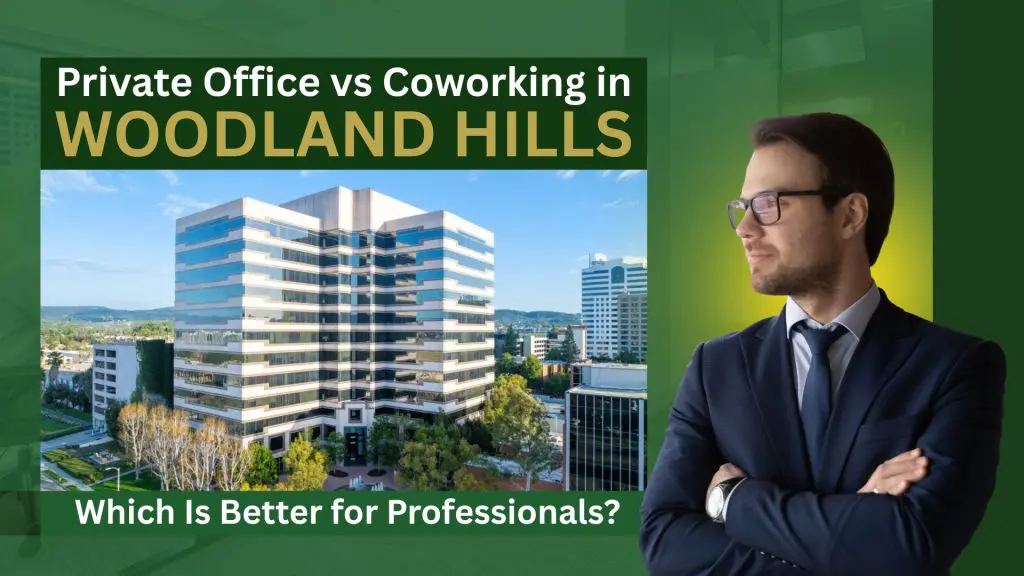
Private Office vs Coworking in Woodland Hills: What Professionals Need to Know
Woodland Hills has quickly become one of Southern California’s most desirable business hubs—and for good reason. With its proximity to Los Angeles, access to major freeways, and a growing ecosystem of industries ranging from entertainment and finance to technology and healthcare, professionals are rethinking where and how they work.
As the modern workforce continues to evolve, so do workspace expectations. Flexibility, professionalism, and efficiency are no longer optional—they are essential. This shift has sparked a growing debate among business owners, entrepreneurs, and remote teams: Is coworking space enough, or is a private office the smarter investment?
At first glance, coworking spaces appear attractive. They promise community, flexibility, and lower upfront costs. However, many professionals quickly discover that shared environments come with trade-offs—especially when it comes to privacy, productivity, and client perception.

The Rise of Flexible Workspaces in Woodland Hills
Over the past decade, flexible office solutions have surged in popularity. Freelancers, startups, and even established companies are moving away from long-term commercial leases in favor of scalable, service-based workspace options. This trend has only accelerated in Woodland Hills, where professionals are seeking premium office environments without the overhead of traditional real estate.
Virtual office programs, for example, now allow businesses to maintain a prestigious address, access meeting rooms, and utilize professional call answering services—all at a fraction of the cost of a physical office.
But while flexibility is important, not all work environments are created equal.
Why the Workspace You Choose Matters More Than Ever
Your workspace is more than just a place to sit—it directly impacts your productivity, brand image, and ability to grow your business.
In shared coworking environments, distractions are often unavoidable. Conversations, phone calls, and foot traffic can make it difficult to focus, especially for professionals handling confidential information or client-facing work. While collaboration can be beneficial, constant exposure to noise and interruptions can reduce efficiency and increase stress.
On the other hand, private office environments provide a controlled, professional setting where focus and confidentiality are prioritized. For industries such as law, finance, consulting, and healthcare, this distinction is critical. Clients expect discretion—and your workspace should reflect that.

The Professional Image Factor
First impressions matter. Whether you’re meeting clients in person or hosting virtual calls, your environment plays a key role in how your business is perceived.
Coworking spaces often lack consistency. Shared conference rooms, communal areas, and fluctuating noise levels can make it difficult to maintain a polished, professional image.
Private office suites, however, offer a different experience entirely. With dedicated space, reception services, and access to fully equipped private meeting rooms, businesses can present themselves with confidence and credibility. From branded directories to professional call handling, these details reinforce trust and elevate your brand.
Cost vs. Value: Understanding the Real Investment
While coworking memberships may seem more affordable upfront, the long-term value often tells a different story.
Add-ons such as meeting room usage, phone services, mail handling, and administrative support can quickly increase costs. Many providers charge hourly or daily rates for essential services, which can add up over time.
Private office solutions, especially those offered through executive suite providers, typically bundle these services into a single, predictable monthly rate. This not only simplifies budgeting but also ensures you have everything needed to operate efficiently from day one.

Finding the Right Fit for Your Business
Ultimately, the choice between coworking and a private office comes down to your business needs, work style, and long-term goals.
If you thrive in highly social environments and don’t require privacy, coworking may serve as a starting point. But for professionals who prioritize focus, client experience, and scalability, private offices offer a clear advantage.
In a competitive market like Woodland Hills, where professionalism and efficiency can directly impact success, choosing the right workspace is more than a logistical decision—it’s a strategic one.