

The way people work has changed. Professionals are no longer limited to working from a traditional corporate headquarters or setting up a desk inside their homes. Freelancers, entrepreneurs, remote employees, small businesses and established companies now have access to a wide range of flexible workspace options.
Coworking has become one of the most recognizable terms within this evolving workplace market. However, it can describe several very different environments—from open rooms with shared tables to professional business centers offering private offices, reception services and reservable meeting rooms.
Remote and hybrid work continue to play an important role in the American workplace. According to the U.S. Bureau of Labor Statistics’ telework data, 22.6% of employed people worked remotely for at least part of their workweek in March 2026. That continuing demand for location flexibility helps explain why coworking spaces, executive suites, day offices and other flexible workplace solutions remain relevant.
But what exactly is coworking? What kinds of spaces are available, and how do you determine whether an open coworking environment or a professional private office is right for your business?
What Is a Coworking Space?
A coworking space is a shared workplace used by individuals or businesses that are not necessarily employed by the same company. Instead of one organization renting and operating the entire office, multiple professionals share access to the property, its facilities and certain business resources.
A typical coworking arrangement may provide:
- Shared desks or tables
- Lounge-style work areas
- Internet access
- Conference rooms
- Printing and copying equipment
- Kitchen or beverage areas
- Reception or mail services
- Private offices or team rooms
The exact experience can vary considerably. Some coworking spaces are intentionally social and casual. Others resemble professional executive office centers, with quieter surroundings, private suites and support staff.
This is why businesses should look beyond the word “coworking” and carefully evaluate the actual workspace being offered.
How Coworking Developed
The earliest coworking environments were primarily created for independent professionals who wanted an alternative to working alone from home. Freelancers and entrepreneurs could share a workplace while continuing to operate their own separate businesses.
As remote work expanded, coworking became useful to a much wider audience. Startups used it to avoid the cost and commitment of a conventional commercial lease. Remote employees used it to separate work from home. Larger companies began using flexible offices for project teams, regional employees and temporary satellite locations.
The category eventually expanded beyond open desks. Today’s flexible workspace market may include coworking lounges, hot desks, dedicated workstations, private offices, team suites, meeting rooms, virtual offices and day-use offices.
Barrister Executive Suites operates within this broader flexible workspace category while emphasizing professional, business-ready environments. Depending on the location, businesses can explore private offices, meeting rooms, virtual office programs and shared workspace opportunities across Southern California.

Understanding the main workspace types will help you choose a solution that fits your daily activities instead of simply selecting the first option advertised as coworking.
Open Coworking Space
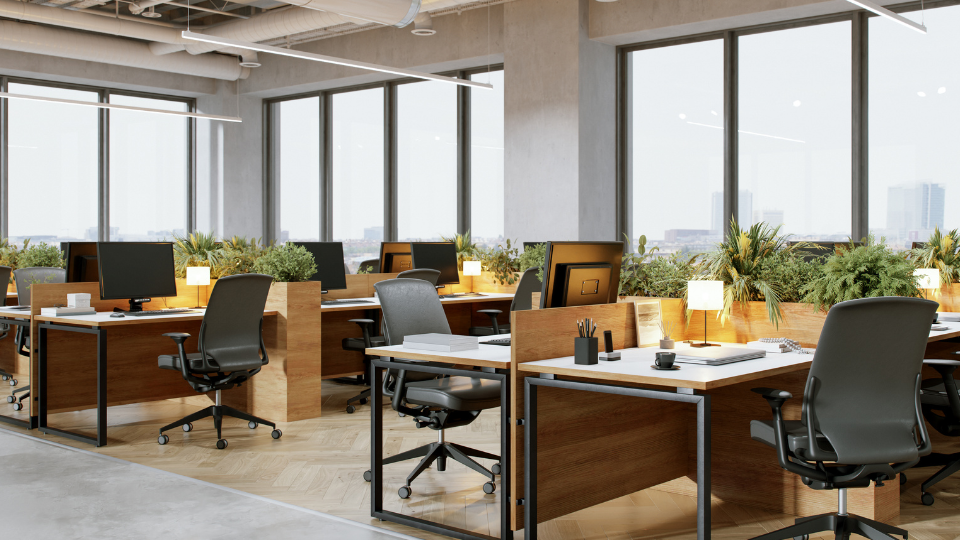
An open coworking space normally includes shared tables, lounge seating or unassigned desks. Members select an available workstation when they arrive.
This setup can work well for independent professionals who primarily use a laptop and do not require frequent private conversations. It can also create opportunities for casual interaction with other members.
The tradeoff is that the space may be noisy or distracting. Users may need to move into a separate booth or meeting room whenever they take a sensitive call.
Hot Desks
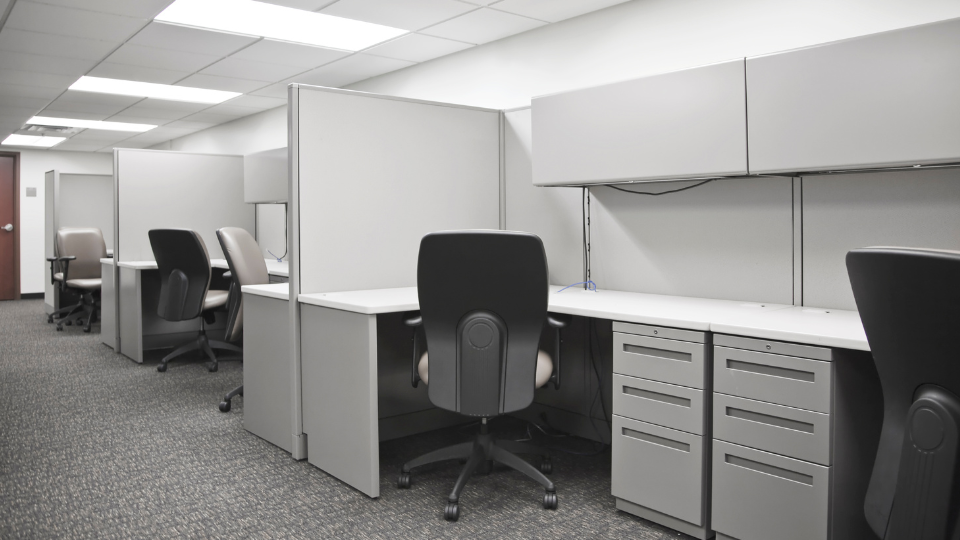
A hot desk is an unassigned workstation available for temporary use. It may be rented for a few hours, a day or through a recurring membership.
Hot desks are useful for travelers, hybrid employees and professionals who only need an occasional place to work. They can also provide a practical alternative to working from a hotel lobby, restaurant or coffee shop.
Availability, access hours, internet services and meeting-room privileges should be confirmed before reserving a hot desk.
Dedicated Desks

A dedicated desk gives one individual an assigned workstation inside a shared office environment. The user can typically return to the same desk each day and may be able to leave certain work materials in place.
This provides more consistency than hot desking, although conversations, surrounding activity and storage may still be shared with others.
Private Offices Within a Shared Business Center
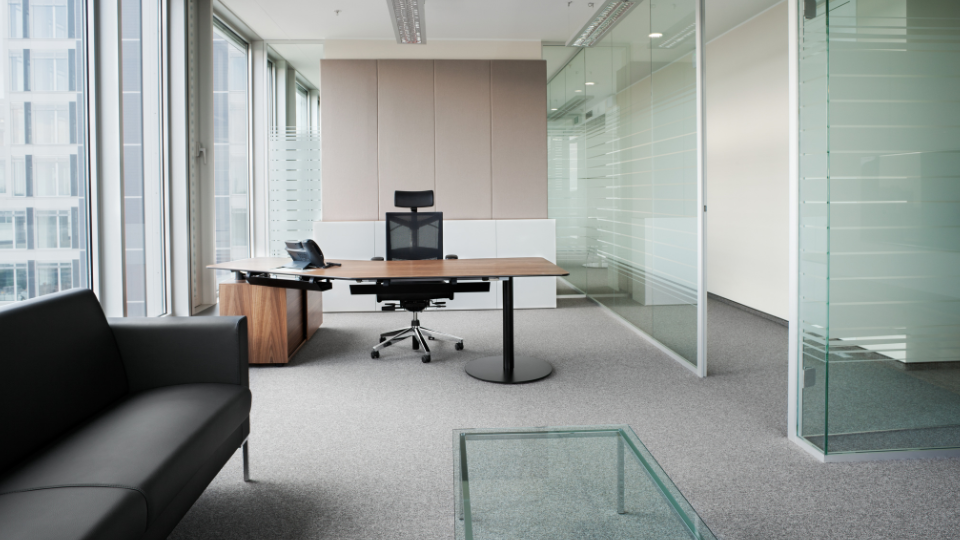
A private office provides an enclosed room with a door while allowing the tenant to share reception areas, meeting rooms, kitchens and certain office services.
This arrangement combines two important benefits: the privacy of a traditional office and the convenience of shared business infrastructure.
For attorneys, consultants, financial professionals, recruiters, therapists and other professionals who regularly discuss sensitive matters, a private office is often more appropriate than an open coworking area.
Barrister offers furnished and unfurnished private office options for individuals and teams, with services and amenities varying by property.
Team Suites and Project Rooms

Team suites are designed for businesses with multiple employees who need to work near one another. They may include several offices, a larger team room or a combination of private and collaborative areas.
Project rooms are particularly useful for temporary teams, contractors, production groups or companies completing a time-sensitive assignment.
These arrangements can allow a business to establish a functional team workspace without building and managing an entire office independently.
Day Offices
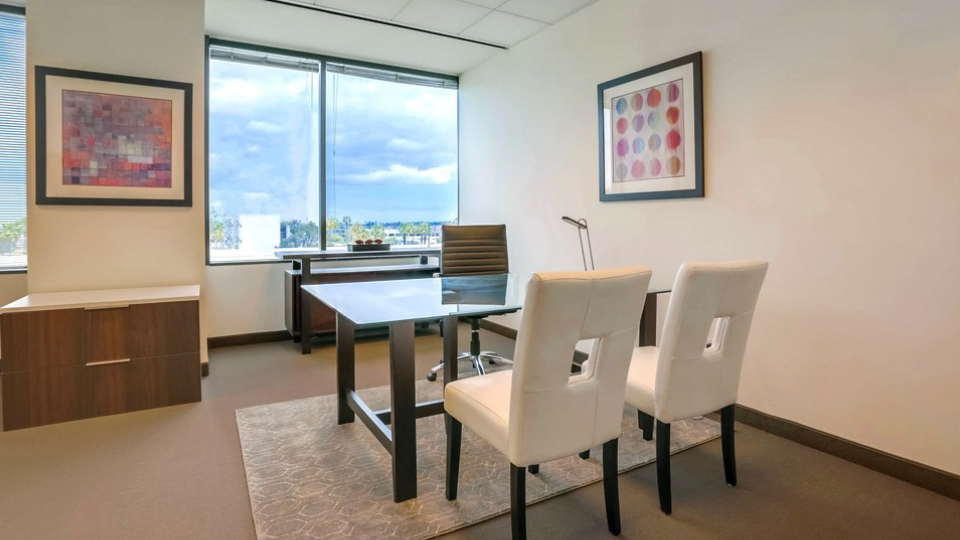
A day office is a private room rented for a limited period. It can be useful when a professional needs to conduct interviews, make calls, complete focused work or meet with a client while traveling.
Day offices provide greater privacy than an open workstation while avoiding the need for a full-time commitment.
Meeting and Conference Rooms
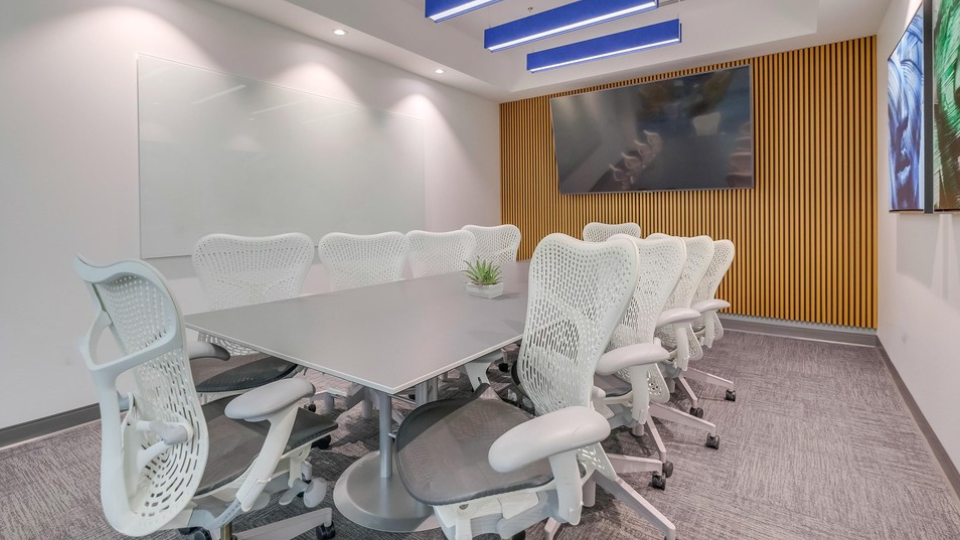
Some professionals do not need a daily desk but require a polished space for client presentations, depositions, training sessions, interviews or team meetings.
Barrister provides meeting and conference rooms by the hour or day, allowing businesses to reserve a professional setting when needed rather than maintaining a large meeting facility full time.
Virtual Offices

A virtual office is different from coworking because it does not necessarily include a permanent daily workspace. Instead, it can provide a professional business address, mail services, telephone support and access to offices or meeting rooms, depending on the selected program.
A Barrister virtual office may be appropriate for entrepreneurs, consultants, remote businesses and home-based companies that want a professional presence without renting a full-time office.


Greater Flexibility
Flexible workspace can reduce the pressure of entering a lengthy traditional lease before a business fully understands its space requirements.
A freelancer may only need a workstation a few times per month. A startup may need a private office now and a larger team suite later. A corporation may require a temporary project room for six months.
Flexible options allow the workspace to adapt more closely to the organization’s immediate needs.

Lower Initial Setup Requirements
Opening a conventional office may involve furniture purchases, utility arrangements, internet installation, conference-room equipment, reception planning and ongoing property management.
A serviced workspace can reduce many of those initial responsibilities. Businesses may be able to begin working much sooner because the building infrastructure and shared areas are already operating.
Companies should still review all pricing carefully and confirm which services are included, which are optional and which may carry additional fees.

A More Professional Environment
Working from home can be convenient, but it does not always provide an appropriate setting for client meetings, confidential calls or employee interviews.
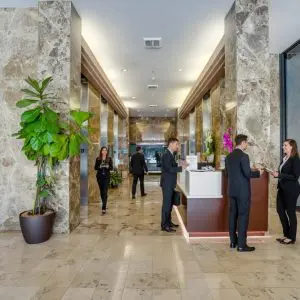
A professional workspace can give clients a clearer sense that the business is established and prepared. Reception areas, conference rooms and a recognizable commercial address may also strengthen the company’s presentation.

Separation Between Work and Home
One of the less obvious benefits of using a coworking space or private office is the physical separation it creates between professional and personal life.
A dedicated workplace can establish a clearer routine. Arriving at the office signals the beginning of the workday, while leaving the space provides a more natural stopping point.
This separation may also help home-based professionals reduce interruptions and protect their residential privacy.
Access to Business Resources
Flexible workplaces may provide resources that would be expensive or inconvenient to operate independently. Depending on the provider, these could include reception services, mail handling, conference rooms, copying equipment, kitchen facilities, office support and business-grade internet.
The most valuable amenities are not always the most extravagant ones. Reliable service, responsive management, clean facilities and readily available meeting rooms often matter more than recreational perks.

Professional Connections
Shared business environments can make it easier to meet professionals from other industries. A casual introduction may lead to a referral, vendor relationship or collaborative opportunity.
However, networking should be considered an additional benefit rather than the only reason to select a workspace. The office must still support your concentration, privacy and business operations.

Coworking is not the right choice for every professional. Understanding its limitations can prevent an expensive or frustrating mismatch.
Noise and Interruptions
Open coworking spaces may contain telephone conversations, video meetings, visitors and frequent movement. Even when the overall environment is respectful, background activity can make concentrated work more difficult.
Professionals who spend most of the day on calls or completing detail-oriented tasks should test the actual noise level before committing.
Privacy Limitations
Confidentiality can become a serious concern in open spaces. Client names, financial information, legal matters, healthcare discussions, employment decisions and business strategies should not be discussed where unrelated people can easily hear them.
A phone booth may solve an occasional privacy need, but it may not be practical for someone who handles sensitive conversations throughout the day.
In those situations, an enclosed private office is generally the stronger option.
Information-Security Concerns
Shared spaces require users to be thoughtful about cybersecurity. Devices should be protected, screens should not be left visible and sensitive documents should be stored securely.
Businesses can review CISA’s Cyber Guidance for Small Businesses for practical steps related to passwords, software updates, phishing, backups and access controls. Businesses should also ask any prospective workspace provider how its internet and physical access systems are managed.
Limited Personalization
An unassigned desk offers little opportunity to display branding, store materials or configure equipment permanently.
For some businesses, that is not a problem. For others, the office environment is an important part of their culture and client experience. A dedicated private office or team suite provides greater consistency and may allow more personalization, subject to the workspace agreement.
Additional Usage Fees
A low advertised membership price may not reflect the complete monthly cost. Meeting rooms, printing, parking, telephone services, storage, mail handling or after-hours access may be charged separately.
Before signing, ask for a written explanation of all included services and potential add-ons.
Limited Room for Growth
An open coworking membership may work for one or two people but become less practical as a team expands.
Businesses should determine whether the provider can offer larger offices, adjacent rooms or team suites. A provider with multiple workspace types can make it easier to grow without changing addresses or rebuilding operations elsewhere.

Coworking and flexible offices serve a broad range of professionals.
Freelancers and Independent Contractors
Freelancers often use coworking to create structure, meet clients and avoid working alone from home. Designers, writers, marketers, developers and consultants may only need a laptop, internet access and occasional meeting space.

Remote and Hybrid Employees
Remote employees may use flexible offices when their homes are not suitable for focused work or professional video meetings. A workspace near home can provide the benefits of an office without requiring a commute to the company’s main headquarters.

Entrepreneurs and Startups
Early-stage businesses value the ability to begin with a small space and adjust as their teams grow. Shared infrastructure may also reduce the time spent managing office operations.

Established Professional Firms
Law firms, financial advisors, recruiters, real estate professionals and consultants may choose private offices within an executive suite environment because they require confidentiality and a professional client experience.

Corporate and Project Teams
Larger companies can use flexible offices to establish satellite operations, support traveling employees or house a temporary project team without opening a conventional branch office.

Traveling Professionals
A traveler may need a quiet place to work between flights, conduct a client meeting or participate in a video conference. Hot desks, day offices and hourly meeting rooms can provide a more dependable solution than public areas.


Evaluate the Location
A workspace should be convenient for both you and the people you serve. Consider commute time, freeway access, public transportation, parking, nearby restaurants and proximity to clients.
The U.S. Small Business Administration’s guidance on choosing a business location also recommends considering costs, regulations, taxes, licensing requirements and proximity to your target market.
Barrister offers flexible workplace options in numerous Southern California business districts. You can review the company’s office locations to compare available markets and properties.
Identify Your Privacy Requirements
Consider how much of your day involves telephone calls, confidential documents or sensitive client information.
An open desk may be appropriate for independent computer work. A private office may be necessary when confidentiality is part of your professional responsibility.
Do not assume that a meeting room will always be available whenever you need privacy. Ask how reservations work and whether additional fees apply.
Review the Work Environment
Tour the property during the hours you expect to use it. A space that feels peaceful early in the morning may be considerably busier in the afternoon.
Pay attention to:
- General noise levels
- Desk spacing
- Lighting
- Temperature
- Cleanliness
- Reception experience
- Meeting-room availability
- Mobile-phone reception
- Internet reliability
- Building access and security
The environment should match the way you actually work.
Consider Ergonomics
A stylish workspace is not automatically a comfortable one. Desk height, monitor position, seating support and keyboard placement can affect the way you feel after several hours of work.
The OSHA Computer Workstations eTool provides guidance for arranging monitors, chairs, desks and other equipment to create a safer and more comfortable workstation.
When touring a workspace, sit in the actual chair and test the desk rather than evaluating the room only by appearance.
Understand the Complete Price
Request a complete breakdown of monthly charges and optional services. Find out whether pricing includes furniture, utilities, internet access, reception, mail handling, conference-room hours, parking and after-hours access.
The least expensive advertised option is not necessarily the best value. A slightly higher rate may provide services that would otherwise need to be purchased separately.
Confirm Contract Flexibility
Review the initial term, renewal conditions, notice requirements and policies for changing offices.
Ask what happens if you need to add an employee, move to a larger office or reduce your space. True flexibility should support reasonable business changes rather than simply describe the initial agreement.
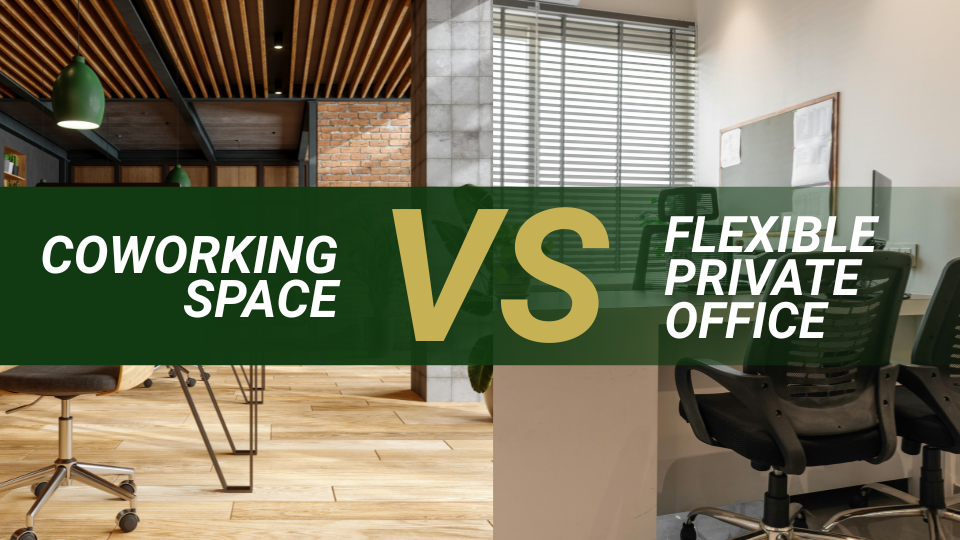
An open coworking space is usually best for professionals who value mobility, casual interaction and lower commitment more than privacy or permanence.
A flexible private office is often better for professionals who:
- Spend significant time on calls
- Handle confidential client information
- Meet visitors regularly
- Need a consistent daily workstation
- Want to display branding or credentials
- Require storage
- Manage employees
- Prefer a quiet, business-first environment
Many people begin their search using the phrase “coworking space” when what they really need is a move-in-ready office with flexible terms.
Barrister explores this difference more closely in Why Your Coworking Space Search Might Really Mean Private Office.
How to Get More Value From Your Workspace
Once you select a workspace, use the services available to support your business.
Reserve meeting rooms early for important presentations. Introduce yourself professionally to the on-site team. Learn the procedures for receiving visitors and mail. Keep your desk organized and secure sensitive documents at the end of the day.
Most importantly, select the appropriate environment for each task. An open desk may be suitable for answering emails, while a private office or conference room may be necessary for a confidential discussion.
A flexible workspace delivers the greatest value when it removes operational distractions and gives you more time to concentrate on clients, strategy and revenue-producing work.

Coworking is no longer a single type of workplace. The term may describe an open desk, shared lounge, hot desk, private office, team suite or complete professional business center.
The right choice depends on your work style, privacy requirements, budget, location and plans for growth.
Barrister Executive Suites offers private offices, team suites, virtual office programs, day offices, hot desks and professional meeting spaces across Southern California, with specific options varying by location. Businesses can establish a polished workplace without taking on every responsibility associated with building and operating a conventional office.
Explore Barrister’s Southern California locations, call 800-576-0744, or email leasing@barrister-suites.com to discuss the workspace that best fits your business.
Frequently Asked Questions
What does coworking mean?
Coworking is an arrangement in which professionals from different businesses use the same workplace and share access to certain facilities or services. Depending on the property, users may work at open desks, dedicated workstations or enclosed private offices.
Is there a minimum term for virtual office service?
No. Coworking and flexible offices are used by freelancers, startups, remote employees, established professional firms, traveling executives and corporate project teams.
Is coworking cheaper than renting an office?
It can require less upfront investment than establishing a conventional office. However, total value depends on the number of users, required services, meeting-room usage and additional fees. Businesses should compare complete costs rather than advertised base rates alone.
Can I meet clients in a coworking space?
Yes, but the setting matters. A private office or professionally equipped conference room generally creates a stronger client experience than meeting at an open table or inside a busy lounge.
Is coworking suitable for confidential work?
Open coworking environments may not provide enough privacy for sensitive conversations or documents. Professionals who regularly handle confidential information should consider an enclosed private office and ask the provider about internet security, building access and document storage.
What is the difference between coworking and an executive suite?
Coworking commonly emphasizes shared or open workspace. An executive suite typically emphasizes private offices supported by shared reception areas, meeting rooms, business services and on-site management. Some flexible workspace providers offer elements of both.
Can a business grow within a flexible office environment?
Yes, provided the operator offers multiple workspace sizes. A business may begin with a virtual office or single private office and later move into a larger office or team suite as staffing and operational needs change.