
A virtual office address can solve a problem that a lot of remote professionals run into sooner than they expect. The work is real. The clients are real. The business is moving. But the public-facing side still feels too tied to a home address, a cell phone, or a meeting plan that changes every time someone asks to sit down in person.
That can make a good business look less settled than it actually is.
Remote work gives people freedom, but clients still look for signs that a company is organized. They notice where mail goes. They notice how calls are answered. They notice whether there is a real place to meet when the conversation needs more than a video call.
Working from home can be efficient. No commute. Fewer distractions. More control over the day.
Still, there is a point where home starts to feel too personal for business. Maybe you do not want your residential address on public records, invoices, proposals, or client paperwork. Maybe you are tired of giving out a phone number that belongs to every part of your life. Maybe a client wants to meet next week, and your only options are a loud cafe or a rented room that feels random.
That is where the gap shows up.
The business may be strong, but the outside appearance does not fully match the way you work. A virtual office address helps close that gap without forcing you into a full-time office before you need one.
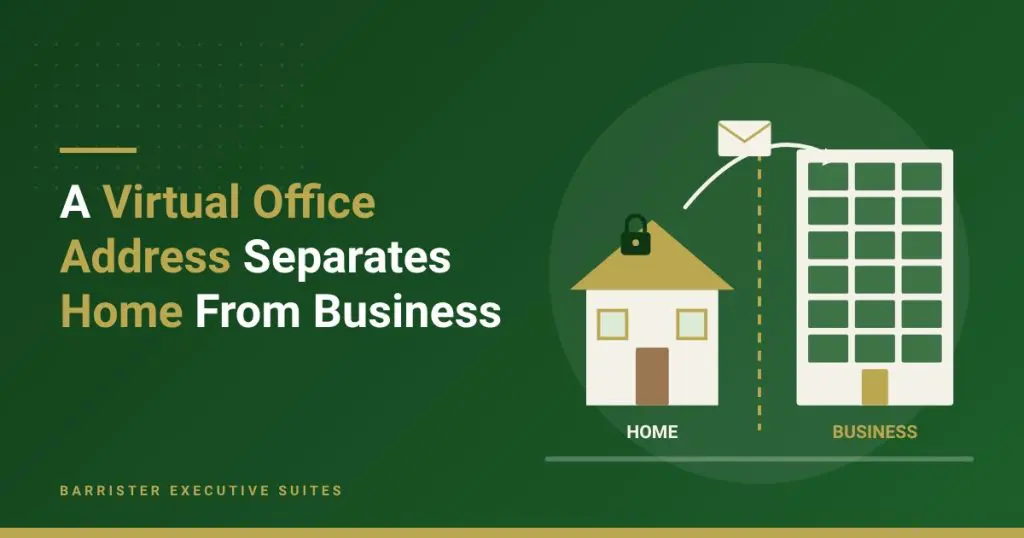
There is something practical about having a business address that is not your house.
It gives mail a better place to go. It keeps your home address out of places where it does not belong. It also gives your business a clearer public identity, especially if you serve clients in Southern California and want a presence in a recognizable business district.
That matters for consultants, attorneys, accountants, real estate professionals, small business owners, and startups that work remotely but still want to look organized from the outside.
The point is not to pretend you are bigger than you are. It is to give the business the structure it already needs.
A missed call can be harmless, but a pattern of missed calls is different.
Clients do not always leave a message. New leads may move on. Existing clients may start to wonder whether anyone is actually available. When every call goes straight to a personal cell phone, the day can get messy fast.
Live receptionist support can make the front end of the business feel calmer. Calls can be answered, screened, and handled in a more professional way, which helps when you are in a meeting, driving, or trying to focus.
That sounds simple, but it changes the tone. The business feels attended to, even when you are not personally picking up the phone every time it rings.
Most remote work can happen anywhere. Some conversations cannot.
A client may need to sign paperwork. A team may need a planning session. A consultant may want a quiet conference room for a presentation. An attorney or financial professional may need a private setting without background noise.
You may not need an office every day, but you still need a real place available when the moment calls for it.
A virtual office arrangement can give you access to meeting rooms, day offices, or private office space when you need it. That keeps the business flexible without making every in-person meeting feel improvised.
Location still carries weight, even when most of the work happens online.
A business address in Beverly Hills, Century City, Santa Monica, Pasadena, Encino, West Los Angeles, Woodland Hills, Torrance, Valencia, San Diego, or another Southern California market can help your business feel closer to the clients you serve.
This is not just about image. It is about practical fit.
If your clients are spread across Los Angeles, Ventura, and San Diego Counties, it helps to have location options instead of being tied to one fixed office. You can keep the remote work model and still have a professional presence where it makes sense.
A full lease can be useful at the right time. It can also be too much too soon.
Traditional office costs add up quickly. Rent is only one piece. Furniture, phones, utilities, reception, conference space, internet, mail handling, and daily management all take money and attention.
A virtual office address gives you a middle step. You get the professional address, mail support, call answering options, and meeting access without building an office from scratch.
That can be the right fit for a startup testing a market, a remote professional building client trust, or a company that wants a Southern California presence without committing to a larger footprint.
The goal is not to create a fake version of the business.
The goal is to remove friction.
Clients should have a professional address to use. Calls should feel handled. Meetings should have a proper setting. Mail should not be mixed into home life. The business should feel steady, even if most of the work still happens from a laptop.
Remote work is not going away, but neither is the client expectation that a business should be reachable, organized, and easy to meet when needed. A virtual office address gives remote work a cleaner front door.
If your business is working well remotely but needs a more established presence, a virtual office address can help you separate home from work, handle calls more professionally, and meet clients without taking on a full-time office lease.
Frequently Asked Questions
Why would a remote business want a virtual office address?
Because remote work can be solid on the inside and still look too informal from the outside. A virtual office address helps separate home from business, gives mail a proper place to go, and makes the business look more settled without forcing someone into a full-time office too early.
Does a virtual office address really help with professionalism, or is it mostly image?
It does affect image, but the bigger benefit is structure. Clients notice where mail goes, how calls are answered, and whether there is a real place to meet when needed. A better front end usually makes the whole business feel more organized and easier to trust.
Can a virtual office still work if most of the business is done online?
Yes, because some moments still need a real place. A client may want to meet, sign paperwork, or sit down in a more private setting than a cafe allows. Having access to meeting rooms or day offices gives remote work a cleaner, more reliable in-person option without dragging the business into full office overhead.
Why does live receptionist support matter so much for remote professionals?
Because people notice when calls keep slipping through. A missed call here and there is one thing. A pattern of missed calls starts to make the business feel harder to reach. When someone is there to answer and direct calls properly, things feel more steady even when the owner is tied up with other work.